how to intermittent fasting 14 10 Fasting intermittent health dr
Intermittent fasting, the practice of alternating between periods of eating and fasting, has gained popularity over the years as a way to improve overall health. This eating pattern has been said to result in weight loss, reduced inflammation, improved insulin sensitivity, and other health benefits. However, as with any diet or lifestyle change, it is important to understand the science behind intermittent fasting and to determine if it is right for you. One of the most common types of intermittent fasting is called the 16/8 method, where you fast for 16 hours and eat during an 8-hour window. This may seem difficult, but it can be achieved by having your last meal of the day at 8pm and not eating anything until noon the next day. During the 8-hour eating window, it is important to consume nutrient-rich foods to ensure your body is getting the necessary nutrients for optimal health. Another popular method is the 5:2 diet, where you eat normally for five days of the week and restrict calories to 500-600 for the other two non-consecutive days. This type of intermittent fasting has been found to result in weight loss, improved insulin sensitivity, and reduced inflammation. One of the benefits of intermittent fasting is its effect on insulin sensitivity. Insulin is a hormone that regulates blood sugar levels in the body. When we eat, our body releases insulin to help move glucose from the bloodstream into the body’s cells. However, over time, the body can become resistant to insulin, leading to higher blood sugar levels and an increased risk for Type 2 diabetes. Intermittent fasting has been shown to improve insulin sensitivity, potentially reducing the risk of Type 2 diabetes. Intermittent fasting has also been linked to reducing inflammation in the body. Inflammation is a natural response to injury or infection, but chronic inflammation has been linked to a number of diseases including heart disease, Type 2 diabetes, and Alzheimer’s disease. Studies have shown that intermittent fasting can reduce inflammation markers in the body, potentially reducing the risk of these types of chronic diseases. It is important to note that intermittent fasting is not recommended for everyone. Pregnant women, individuals with eating disorders, and those with certain medical conditions should not attempt intermittent fasting without consulting a healthcare provider. Additionally, it is important to consume nutrient-rich foods during the eating window to ensure the body is getting the necessary nutrients for optimal health. In conclusion, intermittent fasting may have benefits for improving overall health, but it is important to understand the science behind this eating pattern and to determine if it is right for you. If you are considering intermittent fasting, consult with a healthcare provider to determine if it is safe and appropriate for your individual needs.
If you are looking for Intermittent Fasting for Health - Dr. Betsy Rice, ND you’ve came to the right web. We have 5 Images about Intermittent Fasting for Health - Dr. Betsy Rice, ND like Pin on BetterMe Blog, Intermittent Fasting for Health - Dr. Betsy Rice, ND and also Intermittent Fasting for Health - Dr. Betsy Rice, ND. Here it is:
Intermittent Fasting For Health - Dr. Betsy Rice, ND
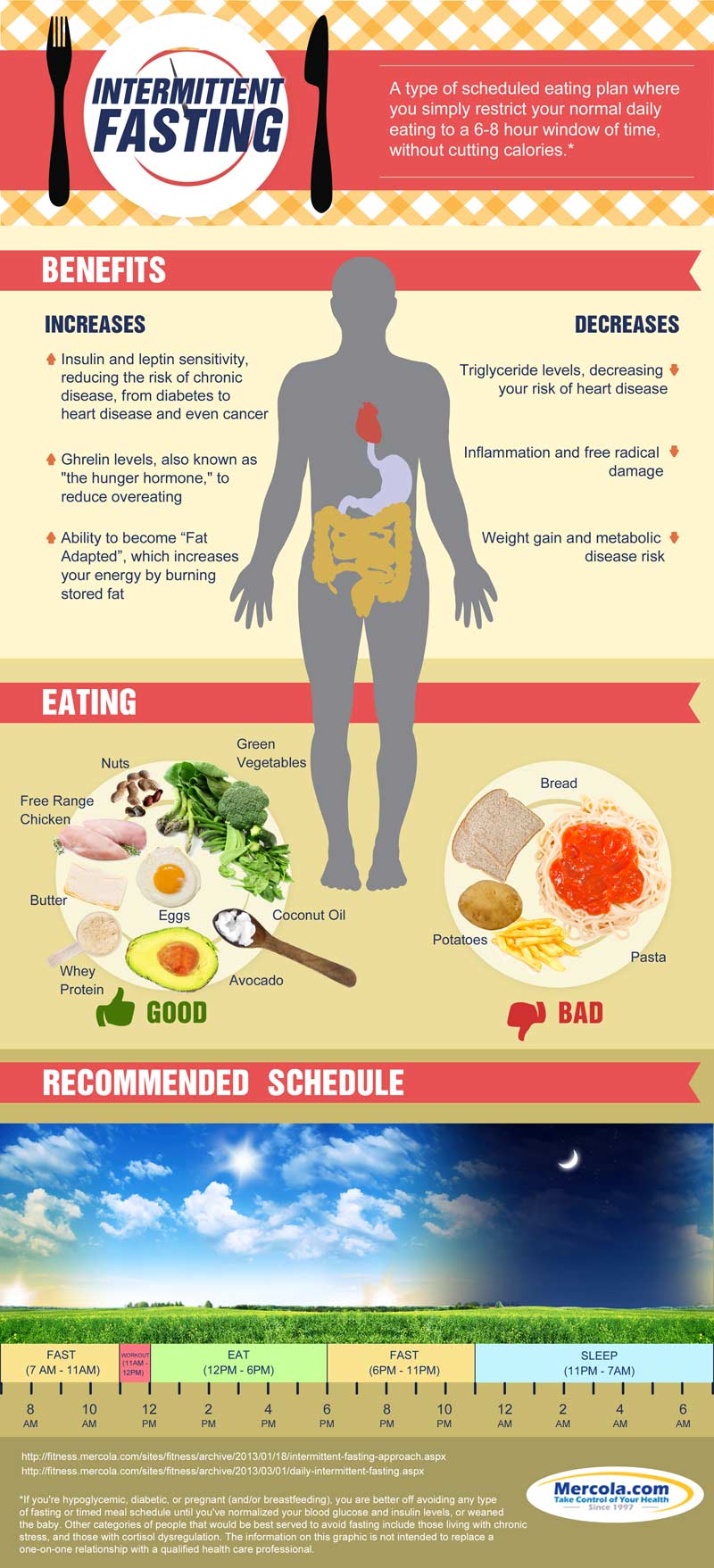 www.drbetsyrice.comfasting intermittent health dr
Choose Intermittent Fasting Type In 2021 | Custom Meal Plans, Salmon
 www.pinterest.comintermittent fasting اختيار لوحه nutrition
20+ Inspiration Intermittent Fasting 168 Meal Plan - Aarpauto
 aarpauto.blogspot.comfasting intermittent keto galveston chances fst dniel dy ketopbreadrecipe fatlosstips ifyouknow koosh
16/8 Fasting: 1-Week Intermittent Fasting Plan To Lose Weight
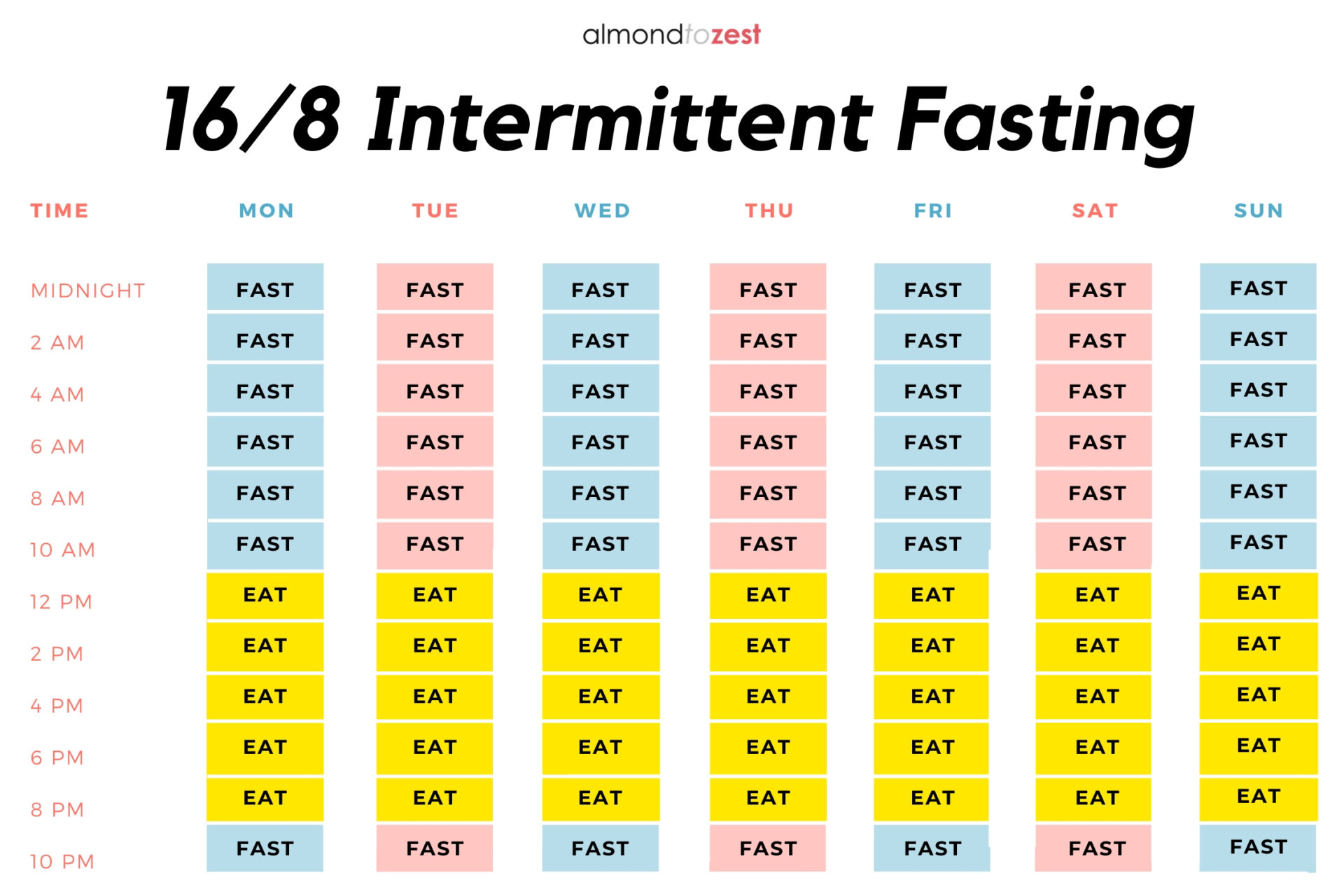 www.almondtozest.comfasting intermittent almondtozest
Pin On BetterMe Blog
 www.pinterest.com.mxintermittent
Fasting intermittent almondtozest. Intermittent fasting for health. Intermittent fasting اختيار لوحه nutrition